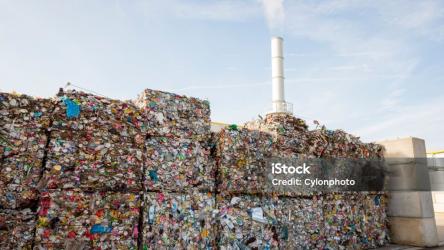
Handling the complex regulatory requirements, ensuring permit compliant sites.
Environmental Permitting
We assist businesses in navigating the complex process of preparing environmental permit applications.
Due to strict environmental regulations, obtaining the appropriate environmental permit is essential for avoiding prosecution and significant fines. Identifying what permit you need, preparing a comprehensive and technically compliant application and submitting it, is a complex and time-consuming task. TEPL guides organisations through the process.
Our team of skilled environmental consultants, engineers and regulatory specialists have a proven track record of preparing successful permit applications. We have successfully achieved permits for the following facilities: waste transfer stations, composting facilities, aggregates processing, plastics manufacturing facilities, End-of-Life Vehicle Authorised Treatment Facilities, metal recycling, water discharges, energy plants among others.
Our knowledge of waste management, recycling and industrial operations enables us to understand your specific challenges. Our experience qualifies us to establish a permitting and compliance strategy that aligns with both your business goals and environmental responsibilities. TEPL have practical experience in site assessment, appropriate design, the permit applications process and regulatory negotiations. This enables us to provide practical, real-world solutions that meet operational business needs without unnecessary expenditure.
Working with customers we understand operational requirements, determine the permit required, undertake the appropriate operational risk assessments, and prepare application and supporting documents. Depending on the nature of the application these can be extensive and include Management Plans, Environmental Management System documents, and site condition reports. If the site handles combustible wastes we prepare the Fire Prevention Plan (England) or Fire Prevention and Mitigation Plan (Wales).
Once awarded, our team can work with you to prepare a permit-compliant environmental management system (if not required as part of your application), assess and maintain compliance with your permit, or to make permit variations, transfers or surrenders if your needs subsequently change.
What Kind of Environmental Permit do I need?
There are two permits that your project could be categorised into, a Standard Rules Permit, or a Bespoke Permit.
Share this page:
Environmental Permitting Services
- Site design for permit compliance
- Standard Rules Environmental Permit Applications
- Bespoke Environmental Permit Applications
- Site-Specific Environmental Risk Assessments
- Site Condition Reports
- BS4142 Noise Assessments, Noise Management Plans and noise monitoring
- Odour Assessments and Odour Management Plans
- Dust Assessments and Dust Management Plans
- Fire Prevention Plans
- Fire Prevention and Mitigation Plans
- Bioaerosol Risk Assessments and monitoring
- Air quality assessments
- Emissions Management Plans
- Environmental Management Systems
- Incident Management Plans
Do I need an Environmental Permit?
Environmental permits are regulated under the Environmental Permitting (England and Wales) Regulations 2016. These regulations provide a framework for controlling activities that have the potential to impact the environment by causing pollution or contaminating land, or could impact human health.
The type of permit and regulatory body involved depends on the scale of the activity to be carried out. Some very small, low-risk operations may be exempt. Above any minimum thresholds for an exemption, a permit from your local authority may cover small scale activities, and beyond this, a standard rules environmental permit, or bespoke environmental permit issued by one of the Environmental Regulators (the Environment Agency, Natural Resources Wales or the Scottish Environment Protection Agency) will be required.
An Environmental Permit specifies the conditions for an organisation to operate within to minimise the potential for pollution or harm to the environment. Many industries require an environmental permit to operate including:
- Waste transfer stations
- Recycling facilities
- Energy from waste plants/incinerators
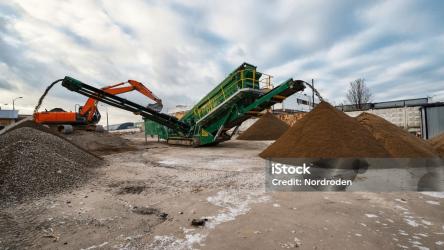
- Mobile crushing and screening plant
- Production and processing of metals
- Energy generating plants
- Roadstone coating (asphalt) plants
- Concrete plants
- Manufacturing plants
- Use of solvents
- Intensive farming
- And many more.
They are also required for certain discharges to water and groundwater, and operations involving radioactive waste.
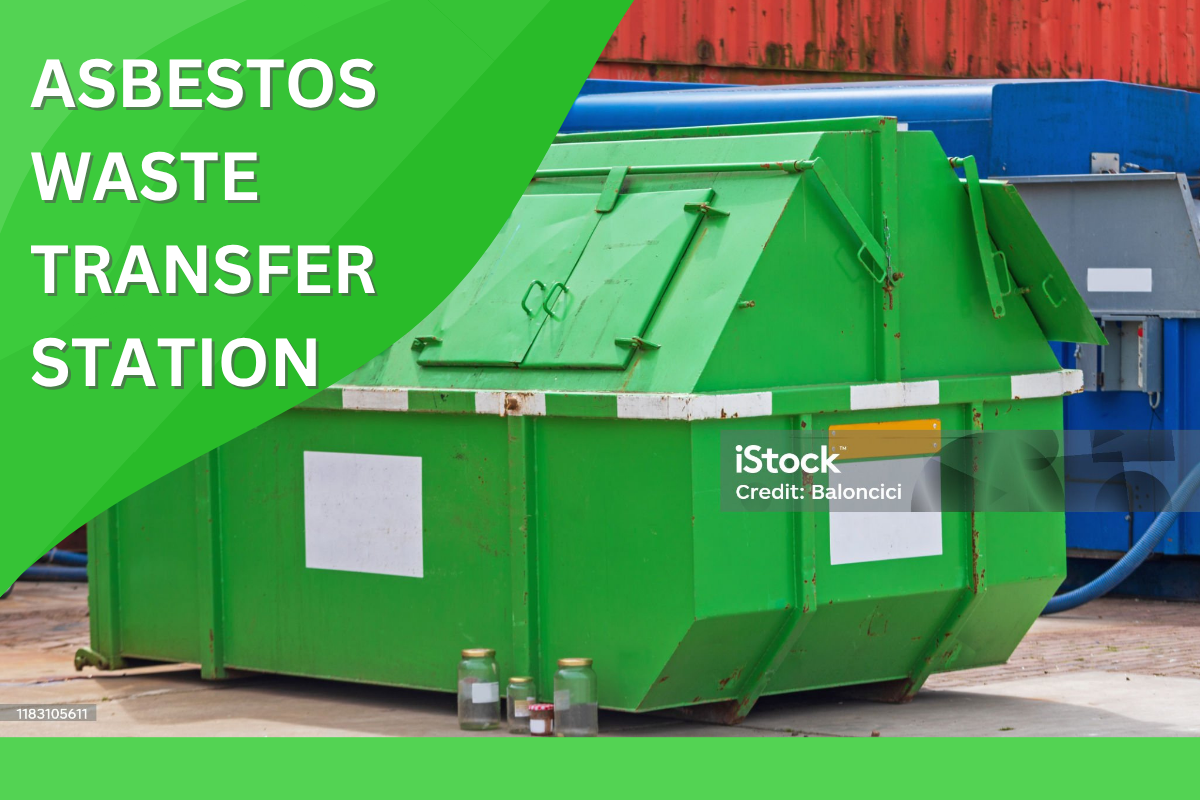
Asbestos Waste Transfer Station
Town Planning and Environmental Permitting Services for the Creation of a Hazardous Waste Transfer Station

Aggregates Recycling Facility
Town Planning, Environmental Permitting and SAB Services for a Wash Plant Development.

Recycling Facility and Waste Transfer Station
Planning and Technical Support for the Expansion of a Recycling and Waste Management Facility

Aggregates Recovery Facility
Town Planning, Environmental Permitting and SAB Services for a High Capacity Wash Plant at an Operational Quarry
-thumb.jpg)





-thumb.jpg)