Solving drainage challenges before they slow your project down.
Sustainable Drainage Systems (SuDS)
With increased rainfall due to climate change, the control of surface water run-off, is receiving additional focus within development planning, to ensure that they do not escalate the risk of flooding and overflowing of sewer network.
Designing Sustainable Drainage Systems (SuDs) within developments, is a crucial step for the planning designs to achieve approval. SuDS needs to be considered at an early stage of development, in order to guide site design and ensure sufficient space is available, to accommodate the necessary drainage elements.
What is Sustainable Drainage Systems (SuDS)?
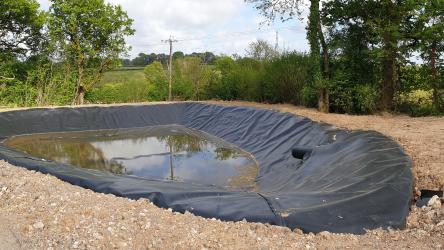
Sustainable Drainage Systems (SuDS) comprise a series of components to control the flow and quality of rain water, reaching surface or ground water. SuDs often include storage (attenuation) tanks, swales, detention basin and water gardens, in particular configurations. The design, of any system must be appropriate standards, required by the regulatory bodies of your region.
Sustainable Drainage Systems (SuDS)
In England, Sustainable Drainage Systems (SuDS) are a requirement through the National Planning Policy Framework. SuDs designs are currently considered in the planning process, rather than through a separate approving body, as happens in some devolved administrations. This was to change in 2024, but the necessary legislation was not ratified in parliament.
Sustainable Drainage Systems (SuDS)
Within Wales, a Sustainable Drainage System requires approval from the Sustainable Drainage Approval Body (SAB) that is situated in your local authority.
The approval process is similar to that of a planning permission. Prior to submission of a full application, the applicant has the option of submitting a request for pre-application advice. With different SABs having their own local requirements, we encourage applicants to seek advice. This ensures that any subsicount design complies with their specifications, reducing the need costly reworking of designs or refusal.
Once a response has been received, a detailed design will be finalised for submission and approval. The SAB has a statutory 8 week period to approve the scheme.
Share this page:

Creation of Inert Waste Transfer Station
Town Planning and SAB Services for the Creation of an Inert Waste Transfer Station

Aggregates Recycling Facility
Town Planning, Environmental Permitting and SAB Services for a Wash Plant Development.

Aggregates Recovery Facility
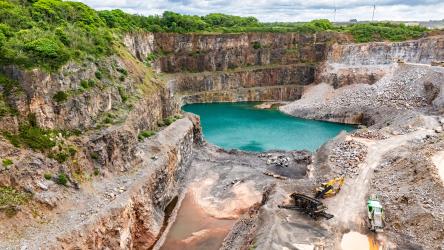
Town Planning, Environmental Permitting and SAB Services for a High Capacity Wash Plant at an Operational Quarry
-thumb.jpg)



-thumb.jpg)