Environmental Impact Assessment (EIA)
Wales
An Environmental Impact Assessment (EIA) is usually required for projects that are likely to have a significant environmental effect by virtue of their nature, size or location. The process for determining whether an EIA is required can take place at multiple stages.
In Wales, an EIA is required for certain types of developments as outlined in Schedule 1 and Schedule 2 of the Town and County Planning (Environmental Impact Assessment) (Wales) Regulations 2017.
Schedule 1 developments will always require an EIA and include:
• Major infrastructure projects (e.g., highways, railways and airports);
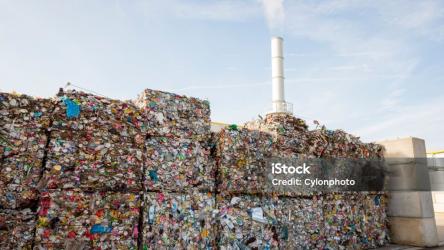
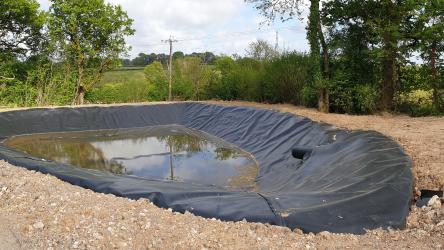
• Waste disposal facilities;
• Nuclear power stations;
• Mining projects;
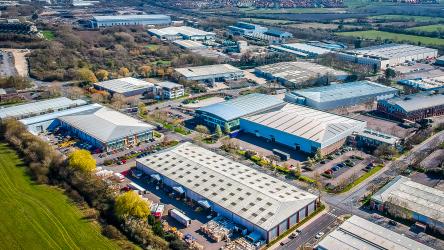
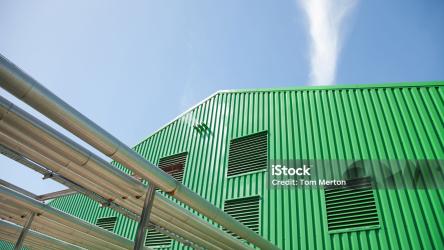
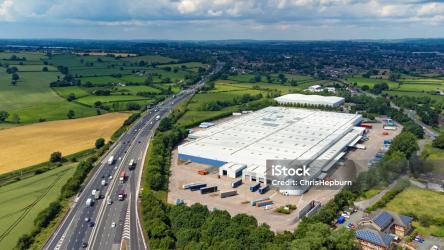
• Large scale industrial plants; and
• Large scale oil and gas extraction.
Schedule 2 developments may require an EIA if they are likely to have significant environmental effects. The requirement for an EIA depends on factors such as the scale of the project and its location. Examples of Schedule 2 developments that may require an EIA include:
• Industrial projects (e.g., manufacturing plants, waste facilities).
• Urban development (e.g., large housing estates, mixed-use developments).
• Tourism and recreational developments (e.g., resorts, golf courses).
• Transport infrastructure (e.g., new roads, rail lines, ports).
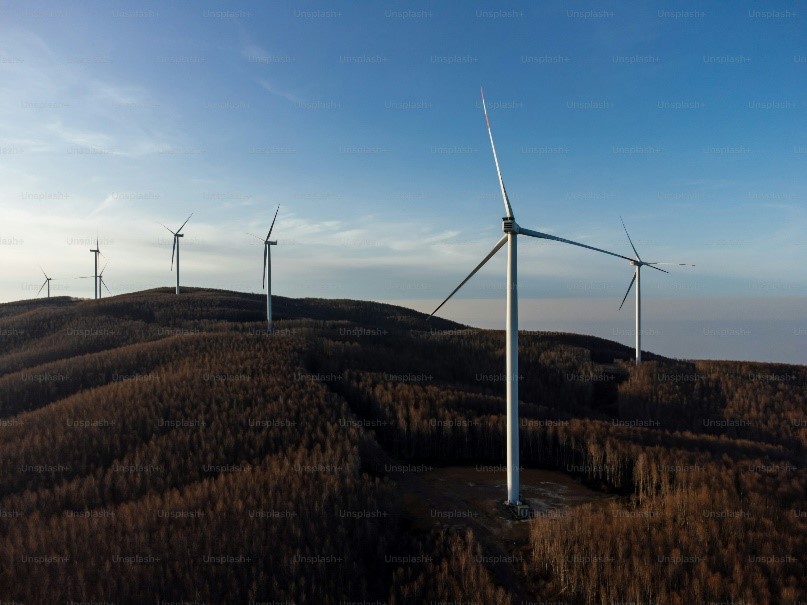
• Energy production (e.g., wind farms, solar power plants).
Screening & Scoping
At TEPL, we provide expert Screening and Scoping services to streamline the EIA process for major developments. We prepare the necessary information and submit a request for a screening opinion from the Local Planning Authority (LPA) to determine if an EIA is required. We compile the necessary documentation including a location plan, relevant development details and environmental considerations.
Environmental Statement
Where an EIA is required, we prepare and submit a comprehensive Environmental Statement which includes:
· A detailed description of the proposed development and its location.
· Consideration of reasonable alternatives and justification for the chosen option.
· An assessment of baseline environmental conditions and potential significant effects on biodiversity, land, soil, water, air, climate, heritage and human health.
· Measures to avoid, mitigate or compensate for any adverse effects.
· A non-technical summary for public consultation.
Need expert guidance on EIA Screening, Scoping or Environmental Statements? Get in touch today.
Share this page:

Aggregates Recovery Facility
Town Planning, Environmental Permitting and SAB Services for a High Capacity Wash Plant at an Operational Quarry

Aggregates Recycling Facility
Town Planning, Environmental Permitting and SAB Services for a Wash Plant Development.
-thumb.jpg)



-thumb.jpg)